Source Cosmetic Raw Materials Aeo 7 Surfactant for Detergent, Textile, and Cosmetics
Compare 30 listings for cosmetic raw materials aeo 7 surfactant from verified Chinese suppliers. Buyers can evaluate specifications like cloud point, active content, and packaging options for applications in laundry detergents, textile scouring, and cosmetic formulations; compare the available evidence and request quotations based on your requirements.
Key considerations
Products List




Comprehensive Sourcing Guide
Cosmetic Raw Materials Aeo 7 Surfactant Sourcing Guide
Procuring fatty alcohol polyglycol ether AEO-7 for cosmetic formulations requires a precise understanding of its role as a nonionic surfactant and emulsifier. This chemical, often identified by CAS number 68213-23-0 or specific model numbers like XL-AT19, serves as a critical ingredient in creating stable emulsions and enhancing the solubility of active ingredients. Buyers must recognize that while the core chemical structure remains consistent, variations in manufacturing methods, such as ion exchange processes, can influence the final purity and performance characteristics of the material.
The primary value of AEO-7 lies in its ability to function effectively in diverse environments, including water, oil, and alcohol. Its cloud point, typically observed at or above 40°C for the AEO-7 variant, provides a thermal stability benchmark that formulators rely on for product consistency. Understanding these physical properties is essential for selecting the right grade, whether intended for laundry detergents, textile scouring agents, or high-end cosmetic raw materials, ensuring the surfactant integrates seamlessly into the final product matrix without compromising texture or efficacy.
Product Scope and Observed Listing Signals
Market listings for AEO-7 often present a wide array of packaging options, ranging from 200kg iron drums to 210kg plastic drums and 1000kg IBC tote tanks. These variations reflect the scale of procurement, with smaller quantities suitable for laboratory testing and larger volumes intended for industrial-scale manufacturing. Buyers should note that observed price ranges can be extensive, reflecting differences in purity levels, supplier location, and specific application requirements, which necessitates careful evaluation of the total cost of ownership rather than just the unit price.
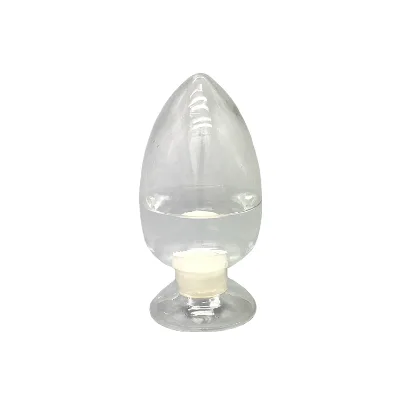
The observed product attributes frequently highlight a white or colorless transparent liquid appearance, with active content claims often reaching 99% or higher. Some listings may also reference related models such as AEO-3, AEO-9, or AEO-15, indicating a supplier’s broader portfolio of ethoxylated alcohols. It is crucial for buyers to verify that the specific AEO-7 grade matches their formulation needs, particularly regarding the number of ethylene oxide addition moles, which directly impacts the surfactant’s hydrophilic-lipophilic balance and overall performance in cosmetic applications.
Technical Specifications to Verify
Verifying the active content and moisture levels is paramount when sourcing AEO-7, as these factors directly influence the surfactant’s efficiency and shelf life. Specifications often indicate an active content of 99% or more, with moisture levels kept at or below 1.0%. Buyers should request detailed certificates of analysis to confirm these values, ensuring that the material meets the stringent purity requirements necessary for cosmetic-grade applications. Deviations in these parameters can lead to inconsistencies in emulsion stability and product performance.
The pH value of a 1% aqueous solution is another critical technical parameter, typically ranging between 5.0 and 7.0, which aligns well with the skin’s natural pH balance. Additionally, the color value, measured in Pt-Co units, should be low, often at or below 20, indicating a high degree of refinement. Buyers must also confirm the solubility characteristics, ensuring the surfactant is fully soluble in water, oil, and alcohol, as this versatility is key to its effectiveness in complex cosmetic formulations.
Compliance and Safety Documentation
Safety data sheets and certificates of analysis are fundamental documents that must be obtained before any procurement decision. These documents provide essential information on the chemical’s handling, storage, and potential hazards, ensuring that the material can be safely integrated into the manufacturing process. Buyers should verify that the supplier provides up-to-date MSDS and COA documents, which confirm the product’s compliance with international safety standards and regulatory requirements for cosmetic ingredients.
Certifications such as MSDS and COA serve as proof of the supplier’s commitment to quality and transparency. These documents should detail the product’s composition, including the CAS number and molecular formula, allowing buyers to cross-reference the material with regulatory databases. Ensuring that all safety documentation is complete and accurate is crucial for maintaining compliance with global cosmetic regulations and protecting the brand from potential liability issues related to product safety.
Cost Drivers and Commercial Terms
The cost of AEO-7 is influenced by several factors, including the purity grade, packaging type, and order volume. While observed price ranges can vary significantly, buyers should focus on the total cost, which includes shipping, handling, and any potential tariffs. Understanding the supply ability of the supplier, such as monthly production capacities, can also impact pricing and availability, especially during periods of high demand or supply chain disruptions.
Commercial terms, including minimum order quantities and lead times, play a significant role in the procurement strategy. Some suppliers may offer free samples for quality verification, allowing buyers to test the product before committing to a larger order. Buyers should negotiate terms that align with their production schedules and inventory management strategies, ensuring a steady supply of high-quality AEO-7 without excessive stockpiling or production delays.
Supplier Qualification and Quality Control
Evaluating supplier qualifications is essential to ensure the reliability and consistency of the AEO-7 supply. Buyers should assess the supplier’s manufacturing capabilities, quality control processes, and track record in the industry. Suppliers located in key chemical manufacturing regions, such as Hebei or Shanghai in China, may offer competitive advantages in terms of logistics and cost, but buyers must verify their ability to maintain consistent quality across batches.
Quality control measures, including regular testing for active content, moisture, and pH levels, are critical for maintaining product integrity. Buyers should request information on the supplier’s quality management systems and any relevant certifications. Establishing a strong relationship with a qualified supplier ensures that the AEO-7 meets the required specifications for cosmetic applications, reducing the risk of formulation failures and ensuring product consistency.
Long-Term Procurement Checks
Long-term procurement success depends on continuous monitoring of supplier performance and product quality. Buyers should establish regular review processes to assess the supplier’s ability to meet delivery schedules, maintain quality standards, and respond to any issues promptly. Building a robust supplier evaluation framework helps identify potential risks and opportunities for improvement, ensuring a stable and reliable supply chain for AEO-7.
Adapting to market changes and regulatory updates is also crucial for long-term procurement strategies. Buyers should stay informed about industry trends, new regulations, and technological advancements in surfactant technology. By maintaining a proactive approach to supplier management and quality assurance, buyers can ensure that their cosmetic formulations remain competitive and compliant with evolving industry standards.
FAQs
What is the active content of cosmetic raw materials aeo 7 surfactant?
The active content is at least 99 percent for this nonionic surfactant. This high purity ensures effective performance in laundry detergents and textile scouring applications while maintaining stability in various chemical environments.
How does the cloud point affect usage of cosmetic raw materials aeo 7 surfactant?
The cloud point for AEO-7 is at least 40 degrees Celsius, which influences its solubility in water. This property allows the surfactant to function effectively in daily use chemicals and cosmetic formulations without premature precipitation.
Which packaging options are available for cosmetic raw materials aeo 7 surfactant?
Products are typically packed in 200kg iron drums or 1000kg IBC tote tanks. These robust containers ensure safe transport and storage while protecting the liquid surfactant from contamination during global distribution to industrial clients.
Can I get a free sample of cosmetic raw materials aeo 7 surfactant?
Yes, a one-kilogram free sample is available for evaluation purposes. This allows buyers to test the colorless transparent liquid properties before committing to larger orders for their specific cosmetic or detergent manufacturing needs.
What certifications are provided for cosmetic raw materials aeo 7 surfactant?
The product comes with MSDS and COA certifications to verify quality and safety. These documents confirm the material meets industry standards for use in cosmetics and light industry applications requiring high purity and reliability.
How is cosmetic raw materials aeo 7 surfactant manufactured?
It is produced using the ion exchange method to ensure consistent quality. This manufacturing process yields a primary catalyst with a pH between 5.0 and 7.0, suitable for sensitive cosmetic raw material applications.
What is the solubility profile of cosmetic raw materials aeo 7 surfactant?
The surfactant is soluble in water, oil, and alcohol, offering versatile formulation options. This broad solubility makes it ideal for diverse applications ranging from textile printing to daily use chemical production across various industries.